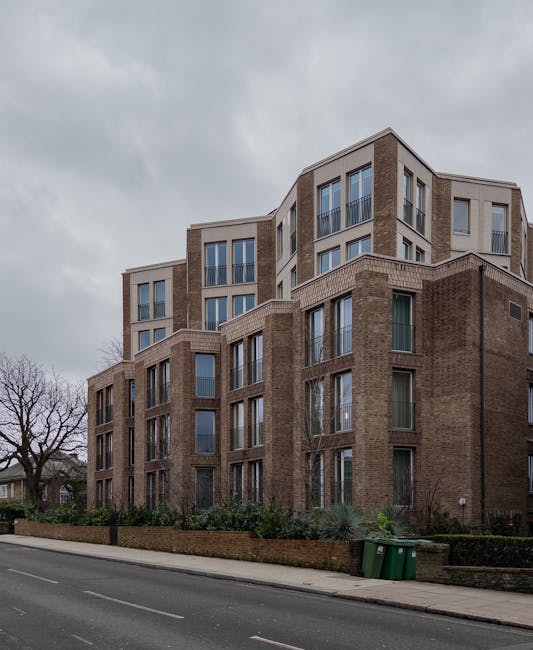
Carpet cleaning access solutions for Hampstead flats
Getting carpets cleaned in a Hampstead flat sounds simple enough until the practical bits show up: narrow stairwells, awkward entry systems, parking restrictions, shared hallways, delicate flooring, and neighbours who definitely do not want a noisy start at 8 a.m. The good news? Carpet cleaning access solutions for Hampstead flats are very manageable when they are planned properly. In fact, a careful access plan usually makes the job faster, tidier, and a lot less stressful for everyone involved.
This guide breaks down how access works in real life, what to prepare, what can go wrong, and how to make the whole process smoother in older mansion blocks, converted houses, purpose-built flats, and basement apartments. If you are weighing up a clean for a small rental, a family home, or a managed block, you will find the practical side here, not just the polished marketing version. Let's face it, the carpet is the easy part sometimes.
Table of Contents
- Why access matters in Hampstead flats
- How access solutions work in practice
- Key benefits and practical advantages
- Who needs this service and when it makes sense
- Step-by-step guidance
- Expert tips for better results
- Common mistakes to avoid
- Tools, resources and recommendations
- Law, compliance, standards and best practice
- Options, methods and comparison
- Case study or real-world example
- Practical checklist
- Conclusion
- Frequently asked questions
Why Carpet cleaning access solutions for Hampstead flats Matters
In Hampstead, flats often come with character. That charm is lovely until you are carrying hoses, cleaning machines, water, and dry towels up two flights of tight stairs. Access planning matters because it affects three things straight away: whether the clean can be done efficiently, how much disruption there will be, and how safely the equipment can be brought in and out.
In many flats, the biggest challenge is not the cleaning process itself but the route to the carpet. A front door might be shared, the corridor might be too narrow for a bulky machine, or the lift might be too small for everything that needs to come up. Sometimes the issue is simple timing: a building only allows access during certain hours, or a concierge needs notice before anyone arrives. Other times, it is the floor protection, the parking, or the need to keep communal areas spotless. A good plan prevents all the little snags from becoming a major headache.
There is also a neighbourly angle. In a flat, sound travels. Water spills travel too, if people are not careful. So a thoughtful access setup is really part of respectful service. That is especially true in older Hampstead buildings where original staircases, period landings, and shared entrances are all part of the story.
Practical takeaway: the best carpet clean in a flat is rarely the one with the fanciest machine. It is the one that arrives with the right access plan, enough time, and a clear route in and out.
How Carpet cleaning access solutions for Hampstead flats Works
Access solutions are basically the logistics behind the clean. They cover how the cleaner gets in, where the equipment is stored during the visit, how the carpet is reached, and how the property is protected while work is underway. The approach changes depending on the building, but the logic is usually the same.
1. Confirm the building layout before the visit
Before the appointment, a cleaner may need to know whether the flat is on the ground floor, up several flights, or served by a lift. A basement flat with a narrow side entrance is very different from a top-floor flat above a converted townhouse. Details like these help decide what tools to bring and whether a compact machine is better than a larger setup.
2. Plan the route and protect the shared areas
Shared hallways, stair rails, and entrance floors should be protected where needed. In some cases, runners or corner guards may be used to reduce wear. If the building has a stricter management style, it is wise to keep trolleys neat and avoid leaving equipment unattended in common spaces. You do not want a stain on the communal runner while removing stains from the living room carpet. That would be a bit of an irony.
3. Match the equipment to the access conditions
Some flats are easy enough for standard extraction equipment. Others work better with compact, modular machines, low-profile hoses, or steam-based methods that reduce the amount of water being carried. Where lift access is limited or stairs are steep, smaller units can make a big difference. If the carpet itself is delicate, the method may be adjusted too, which is why the access discussion and the cleaning method often go hand in hand.
4. Set up the work area carefully
Once inside, the cleaning area is usually organised so that the route stays clear and dry. Furniture may need moving, but only after checking what is safe to shift. In a compact flat, that can mean working room by room rather than all at once. A sensible cleaner will also identify sockets, water sources, and any fragile items before starting.
5. Clean, ventilate, and leave the flat usable
After the carpet is cleaned, drying becomes part of the access solution too. Open windows, airflow, and sensible scheduling help prevent damp smells and long drying times. In winter, or on a wet London afternoon, that matters more than people expect. Nobody wants to tiptoe around a wet lounge all evening with the heating on full and the windows cracked open.
Key Benefits and Practical Advantages
A well-planned access setup is not just about convenience. It changes the whole experience of having carpets cleaned in a flat.
- Less disruption: shorter setup times, smoother movement through shared areas, and fewer awkward delays.
- Better protection for the building: walls, corners, and communal flooring are less likely to get scuffed or marked.
- Improved cleaning outcomes: when the cleaner has the right equipment in the right place, the result is usually more consistent.
- Lower risk of mishaps: fewer spills, fewer trip hazards, and fewer "can you just squeeze that through?" moments.
- More predictable timings: useful for renters, landlords, and busy residents who need the day to run to plan.
There is another benefit that people sometimes overlook: peace of mind. When access is sorted properly, you are not standing at the door wondering whether the machine will fit through the stairwell or whether the neighbour downstairs will complain. It feels calmer. And a calm clean usually goes better, simple as that.
For landlords and letting agents, good access planning can also reduce delays between tenancies. If a flat needs to be turned around quickly, the cleaner can get in, clean efficiently, and leave the place ready for photographs or inventory checks without a trail of chaos behind them.
Who This Is For and When It Makes Sense
Carpet cleaning access solutions for Hampstead flats make sense for anyone whose property has practical limitations, but that covers quite a lot of people.
- Residents in converted houses: often dealing with narrow halls, split levels, or awkward landings.
- Top-floor flat owners: where carrying full-size equipment up multiple flights is simply not ideal.
- Basement flat occupants: where entrances may be tight and ventilation is trickier.
- Landlords and agents: who need a smooth, tidy visit that does not upset neighbours or delay check-in.
- Families and pet owners: where quick, low-disruption cleaning matters because life does not stop for carpet maintenance.
- Older residents or anyone with mobility concerns: who may prefer a service that handles the practical heavy lifting with care.
This is also relevant if your flat has recently had a stain incident, a spill, or an odour issue. For example, if a hallway runner has taken a beating from muddy shoes over winter, or a bedroom carpet has picked up pet smells, access planning can make the difference between "we can sort that" and "actually, this will be awkward".
If you are comparing services, it is worth looking at broader cleaning support too. For awkward rooms or mixed-fabric interiors, related services such as upholstery cleaning, rug cleaning, or stain removal can be scheduled alongside carpet work where relevant. That can be very efficient in a flat where every trip through the entrance feels like a small logistical event.
Step-by-Step Guidance
If you want the clean to go smoothly, a bit of planning ahead helps enormously. Here is the process that tends to work best.
- Measure the access points. Check hallway width, stair turns, lift size, and door clearances. If the cleaner needs to know whether equipment will fit, do not guess. A quick measurement now saves silly delays later.
- Tell the cleaner about the building. Mention if there is no lift, if parking is restricted, if there is a concierge, or if entry requires a call box or code.
- Clear small obstacles. Shoes, mats, prams, and fragile items in the route should be moved before arrival if possible.
- Protect communal and private flooring. Ask how the cleaner handles runners, corner guards, or protective coverings where needed.
- Decide the room order. In a flat, it is often easier to start with the hardest-to-reach room first while everyone is fresh.
- Confirm drying expectations. Ask roughly how long the carpets are likely to stay damp based on the cleaning method and the room conditions.
- Check the handover. Make sure the route out is clear and that no equipment or packaging is left in shared areas.
For many people, the most useful part of this list is the second step. Tell the cleaner what the building is like. Honestly, that alone resolves a lot of problems before they start. A cleaner who knows they are facing a fifth-floor walk-up in a period conversion will pack differently than someone heading into a modern block with lift access.
Expert Tips for Better Results
Experience tends to teach the same lesson over and over: the job goes better when you think about access from both ends, not just the carpet itself.
Choose the right time of day
Mid-morning often works well in flats. The building is awake, parking may be slightly easier than later in the day, and you are less likely to collide with peak school-run chaos or the mid-afternoon delivery rush. Of course, every building is different, but timing is not a tiny detail. It is often the difference between smooth and slightly frazzled.
Use compact solutions where the property demands it
Not every flat needs a heavy setup. In tight spaces, smaller or more flexible equipment can be better. The aim is not to bring the biggest kit possible; it is to bring the right kit for that specific access route. That sounds obvious, but you would be surprised how often it gets missed.
Ask about drying and ventilation
Drying is where a lot of frustration comes from. If the flat has limited airflow, a cleaner may recommend opening windows, using internal fans if available, or keeping foot traffic light for a few hours. In colder months, a warm room with decent circulation usually helps more than blasting the heat and hoping for the best.
Think about neighbours and shared spaces
Keep music off, minimise hallway clutter, and avoid blocking entrances. The cleaner should do this too, obviously, but the resident can help by warning neighbours if needed. A little courtesy goes a long way in a building where sounds carry.
Bundle services where sensible
If a flat needs carpet cleaning and, say, sofa refreshment or mattress cleaning, scheduling it together can reduce repeated access issues. It also means one tidy visit instead of several separate ones. For those cases, sofa cleaning and mattress cleaning may be worth considering alongside the carpet work.
Common Mistakes to Avoid
A lot of access problems are avoidable. They are not usually dramatic; just irritating. The kind of irritating that leaves everyone doing that small apologetic smile in the hallway.
- Not checking measurements: assuming a machine will fit can lead to last-minute repacking or cancelled work.
- Ignoring parking and unloading space: even the best cleaner needs a sensible route for equipment.
- Forgetting building rules: some blocks have quiet hours, booking systems, or restrictions on contractor access.
- Leaving clutter in corridors: it slows the work and increases the chance of knocks or spills.
- Underestimating drying time: this is a common one, especially during colder weather.
- Choosing the wrong method for the carpet or access constraints: some jobs need steam-based cleaning, while others need a gentler approach.
One small mistake can snowball. For example, if the cleaner has to drag equipment up a narrow stairwell while avoiding bicycles and shopping bags, the appointment becomes longer and messier than it should be. Clear the route first. It is boring advice, yes, but it works.
Tools, Resources and Recommendations
You do not need specialist equipment yourself, but a few simple tools make a flat-based clean much easier.
- Measuring tape: helpful for checking doorway widths, corridor turns, and lift clearances.
- Phone photos: send pictures of entranceways, stairs, and any tight corners before the visit.
- Floor protectors or runners: useful where communal surfaces need extra care.
- Notepad or phone notes: keep codes, concierge details, and timing instructions in one place.
- Ventilation plan: know which windows can be opened safely and when.
- Payment and booking details: being organised avoids delays at the end of the appointment.
It is also wise to read a provider's trust pages before you book. For example, the company's health and safety policy, insurance and safety information, and payment and security details can help you understand how they approach risk, protection, and booking confidence. If you care about environmental practices, their recycling and sustainability approach is also worth a look.
For service planning or pricing queries, the pricing and quotes page is a sensible next stop. And if you need to speak to the team about something more specific, the contact page is there for that. Plain and simple.
Law, Compliance, Standards, or Best Practice
For flats, access work should follow common-sense UK best practice and building etiquette, even when there is no highly technical compliance issue. In real terms, that means protecting shared areas, respecting lease or block rules, handling equipment safely, and avoiding unnecessary disruption to neighbours. If a building has specific management instructions, those should be followed carefully.
From a professional standpoint, a cleaner should also work in line with sensible health and safety habits: keeping walkways clear, avoiding wet trip hazards, and using equipment in a way that suits the property. Insurance matters too. If a company says it is insured, that should be part of the decision-making process, especially in older flats with delicate stair finishes or communal carpets that could be damaged easily.
There is also a basic duty of care to think about. If access is difficult, the cleaner should not force equipment through openings that are too tight or place unnecessary strain on doors, frames, or walls. It sounds obvious, but the obvious stuff is where trouble starts. The same goes for residents: if you know the route is awkward, say so early. Nobody wins by being polite and vague until the machine is halfway up the stairs.
It is good practice to check service terms too. Pages such as terms and conditions, privacy policy, and accessibility statement help show how the company handles expectations, personal information, and customer support.
Options, Methods, or Comparison Table
Different flats call for different approaches. Here is a straightforward comparison of common access-friendly methods.
| Method | Best for | Access considerations | Typical practical note |
|---|---|---|---|
| Portable extraction | Most standard flat carpets | Needs room for hoses and a machine unit | Good balance of power and flexibility |
| Compact steam cleaning | Tighter stairwells and smaller properties | Easier to move through narrow routes | Often a sensible choice for awkward access |
| Low-moisture cleaning | Delicate schedules or limited drying time | Less water carried through the property | Useful where ventilation is limited |
| Room-by-room cleaning | Busy flats with limited space | Reduces clutter and keeps routes clear | Slower than open-plan work, but calmer |
If you are unsure which method fits your flat, the safest answer is usually to describe the access problems first and ask the cleaner what they would recommend. That is better than choosing a method purely because it sounds more advanced. Fancy is not always functional.
Case Study or Real-World Example
Imagine a three-bedroom Hampstead flat in a converted Victorian house. The flat is on the second floor, the staircase turns sharply at the halfway point, and the front entrance is shared by several residents. There is no lift, street parking is limited, and the hallway has a runner that the building manager wants protected.
In a case like that, the access solution might look like this: the cleaner arrives during a quieter mid-morning window, brings compact equipment rather than oversized gear, uses protective coverings in the shared hall, and works room by room to keep the route clear. The owner clears shoes, coat stands, and a couple of chairs from the landing before the appointment. The cleaner then finishes one room, vents it briefly, moves to the next, and keeps the stairwell tidy throughout. No drama. No complaints. Just a sensible, workable process.
Now compare that with the wrong approach: a late-afternoon arrival, no parking plan, bulky equipment, and everyone assuming the building would be "fine with it". That version usually ends with delays, a few apologetic phone calls, and a very long look at the stairs. Not ideal.
Practical Checklist
Use this quick checklist before your flat carpet clean.
- Measure doorways, stair turns, and any lift dimensions if relevant.
- Confirm entry method, codes, concierge details, or booking procedures.
- Ask about parking and the best unloading point.
- Clear hallways, landings, and the route to the carpeted rooms.
- Protect fragile items and move loose obstacles out of the way.
- Check building rules about contractor access and quiet hours.
- Ask which cleaning method is best for your carpet and access situation.
- Confirm drying expectations and any aftercare advice.
- Review the company's trust and policy pages before booking.
- Keep a contact number handy on the day, just in case.
If all ten items are sorted, you are in very good shape. Honestly, that is most of the battle already.
Conclusion
Carpet cleaning access solutions for Hampstead flats are about more than getting a machine through the front door. They are about planning, respect for the building, sensible timing, and choosing a cleaning method that fits the space as well as the carpet. When access is handled well, the whole visit feels easier: less noise, less disruption, better protection for shared areas, and a much smoother finish at the end.
For homeowners, tenants, landlords, and agents, that kind of planning is worth its weight in time saved. It keeps things tidy, keeps neighbours happier, and helps the cleaner do a better job. And in a place like Hampstead, where flats can be charming but a bit tricky to work in, that matters a lot.
Get a free quote today and see how much you can save.
Sometimes the smallest bit of preparation turns a tricky flat into a straightforward job. That is the kind of calm everyone appreciates.
Frequently Asked Questions
What are carpet cleaning access solutions for Hampstead flats?
They are the practical arrangements that make carpet cleaning possible in flats with narrow stairs, shared entrances, limited parking, or lift restrictions. The aim is to get the cleaner in, protect the property, and complete the job without unnecessary disruption.
Do I need to measure my flat before booking a carpet clean?
It helps a lot, especially if your flat has tight doorways or awkward turns. Even rough measurements for stairs, lifts, and entrance routes can save time on the day.
Can carpet cleaning be done in a top-floor flat with no lift?
Usually yes, provided the equipment and route are suitable. Compact or portable systems are often better for walk-up flats because they are easier to move through stairwells.
What if my building has strict access rules?
Tell the cleaner in advance. Building rules, quiet hours, concierge procedures, and booking systems should all be shared early so the visit can be planned properly.
How do cleaners protect communal hallways and staircases?
They may use protective coverings, careful routing, and tidy equipment handling. The exact approach depends on the building, but protecting shared areas should always be part of the plan.
Is steam cleaning suitable for flats with difficult access?
Often it is, especially if the setup is compact and the cleaner can manage hoses or portable equipment sensibly. The best method depends on both the carpet and the access route.
How long do carpets take to dry in a flat?
That depends on the method used, room temperature, and ventilation. Flats with limited airflow may take longer, so it is worth asking for drying guidance before the appointment.
Should I book carpet cleaning and upholstery cleaning together?
If both are needed, bundling them can be more efficient. It reduces repeated access issues and can be easier to manage in a flat where each visit involves stairs, entry codes, or parking.
What happens if the machine will not fit through the stairwell?
A good cleaner will adapt with smaller equipment or a different method. That is exactly why access details matter before the appointment, not after everyone has turned up.
How much notice should I give for a flat carpet clean?
As much as you can, especially if parking, building access, or management approval is involved. A little notice makes scheduling and access planning much easier.
Can I prepare the access route myself?
Yes, and it is a great help. Clearing clutter, opening routes, and checking building instructions before the cleaner arrives can make the whole visit faster and smoother.
Where can I check service details before booking?
Useful starting points include the company's pages on carpet cleaning, pricing and quotes, and about us. Those pages help set expectations before you commit.