Stain Removal in Hampstead: Practical Solutions for Cleaner Homes, Fabrics, and Surfaces
Stain removal in Hampstead is more than a household chore; it is part of maintaining a polished home, protecting valuable fabrics, and preserving the comfort of everyday living. In a place like Hampstead, where homes often feature a mix of period interiors, modern furnishings, delicate textiles, and busy family life, stains can appear on carpets, upholstery, curtains, mattresses, rugs, clothing, and hard surfaces at the most inconvenient times. Whether it is a red wine spill on a dining chair, coffee on a wool carpet, or a muddy footprint on a hallway runner, fast and effective stain removal in Hampstead helps keep interiors looking fresh and well cared for.
Many people underestimate how quickly a small mark can become a permanent blemish if it is not treated properly. Some stains sit on the surface, while others sink deeper into fibers, bonding with fabric dye, carpet backing, or porous materials. That is why stain removal in Hampstead requires more than a quick wipe with a cloth. It calls for the right method, the right cleaning agent, and an understanding of the material being treated. The wrong approach can spread the stain, damage the surface, or set the mark even further.
In this article, we explore stain removal in Hampstead in detail, covering the most common household stains, practical treatment methods, prevention tips, and the reasons professional help can make a major difference. If you want your home to stay spotless and welcoming, learning the essentials of stain removal in Hampstead is a smart place to start.
Why Stain Removal in Hampstead Matters for Modern Homes

Homes in Hampstead often combine style, comfort, and character. Many properties feature natural materials such as wool carpets, linen upholstery, cotton curtains, hardwood flooring, and stone or marble surfaces. These materials are beautiful, but they can be vulnerable to staining if spills are not handled correctly. Effective stain removal in Hampstead helps protect the look and lifespan of these surfaces while reducing the need for costly replacements.
Beyond appearance, proper stain removal in Hampstead supports hygiene and indoor freshness. Food stains, drink spills, pet accidents, and grease marks can lead to odors, bacteria buildup, and unpleasant residues if ignored. Clean surfaces do more than look good; they contribute to a healthier home environment for families, guests, and pets.
There is also a practical side to this topic. In busy households, stains happen regularly. Children drop food, pets bring in dirt, and everyday routines create wear on soft furnishings. The key is not to avoid all accidents, but to know how to respond quickly and efficiently. That is why stain removal in Hampstead remains such an important part of home maintenance.
Common Types of Stains Found in Hampstead Homes
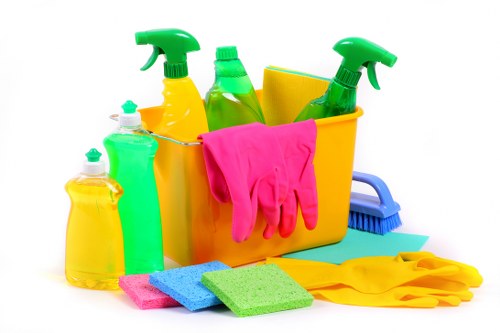
Understanding the type of stain is the first step toward successful treatment. Different substances react differently on fabric, carpet, and hard surfaces, so a targeted approach works best. Stain removal in Hampstead often involves one or more of the following categories:
- Food stains: sauces, curry, chocolate, fruit juice, and gravy
- Drink stains: coffee, tea, red wine, fizzy drinks, and alcohol
- Grease and oil stains: butter, cooking oil, makeup, lotion, and salad dressing
- Protein stains: blood, sweat, dairy, eggs, and pet accidents
- Dirt and mud: shoes, outdoor clothing, and pets entering from outside
- Ink and dye stains: pens, markers, printer ink, and colored liquids
Each of these stains requires a different method. For example, hot water may help with some stains but can set protein-based marks like blood or egg. Likewise, rubbing a spill aggressively can damage fibers and push the stain deeper. A careful stain removal in Hampstead strategy begins with identification, then moves to the safest treatment method for the specific material.
Knowing what caused the stain can save time, money, and frustration. It also makes it easier to decide whether a do-it-yourself method is suitable or whether professional stain treatment is the better option.
How to Approach Stain Removal in Hampstead the Right Way
Successful stain removal in Hampstead usually follows a simple but effective process. Acting quickly is important, but so is avoiding mistakes. Many stains become harder to remove because people panic and scrub too hard or use the wrong product. The following steps are a reliable starting point for most surfaces:
- Blot first, do not rub. Use a clean white cloth or paper towel to absorb as much of the spill as possible.
- Identify the stain. Determine whether it is water-based, oily, protein-based, or dye-based.
- Test cleaning products. Always test on a hidden area before applying anything to a visible surface.
- Use the gentlest effective method. Start mild, then increase strength only if necessary.
- Rinse or blot away residue. Cleaning chemicals left behind can attract more dirt.
- Dry properly. Damp fibers can develop odors or repeat staining.
This structured approach helps make stain removal in Hampstead more predictable and less risky. It also improves the chances of protecting delicate materials such as silk, wool, velvet, and natural stone. Patience matters, especially when the stain has already started to settle.
If the stain is old, extensive, or located on a valuable item, professional intervention may be the safest choice. Many homeowners find that expert stain removal in Hampstead restores items that seemed beyond repair.
Stain Removal in Hampstead for Carpets and Rugs
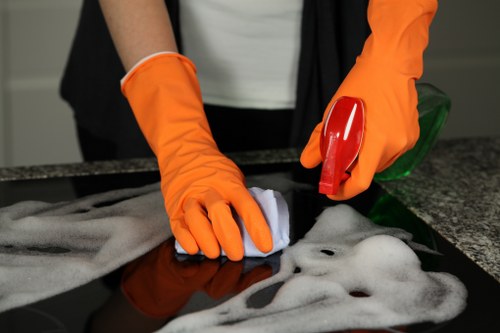
Carpets and rugs are among the most common surfaces to suffer from spills and marks. Because they are absorbent and textured, stains can quickly sink below the surface. Effective stain removal in Hampstead for carpets depends on prompt action and the right cleaning solution for the material.
For fresh spills, blotting is usually the best first step. Avoid scrubbing, which can distort carpet fibers and spread the stain. Water-based spills may respond to a small amount of mild detergent diluted with water, while greasy stains often need a product designed to break down oil. Wool carpets require extra care because harsh chemicals can damage natural fibers. Always check the fiber type before treating the stain.
Rugs, especially handmade or antique ones, need special handling. Some dyes may bleed when exposed to moisture, and some backings can weaken if over-wet. In these cases, specialist stain removal in Hampstead can be a wise investment, especially if the rug is valuable or sentimental. Professional cleaning methods often use controlled moisture, targeted solvents, and extraction equipment to lift stains without harming the item.
Helpful carpet and rug stain tips
- Use cold water for many fresh stains unless the stain type requires otherwise
- Blot from the outside inward to prevent spreading
- Never soak the carpet excessively
- Keep pets and foot traffic away until fully dry
- Consider protective treatments after cleaning for future spill resistance
Upholstery and Fabric Stain Removal in Hampstead

Upholstery stains are especially frustrating because sofas, chairs, and cushions are used daily and often sit in highly visible areas. Stain removal in Hampstead for upholstery must be handled carefully, as excessive moisture can affect filling, seams, and fabric structure. The right method depends on the upholstery fabric, construction, and the type of stain.
For fabric sofas, the first step is to check the care label if available. Some fabrics are water-cleanable, while others require solvent-based care. A common mistake is using too much water, which can create water marks or cause shrinkage. Another risk is overusing household sprays that leave sticky residue behind. Less is often more when treating upholstery stains.
Leather requires an even gentler approach. While it can handle some surface cleaning, strong detergents or abrasive cloths may strip its finish. Stain removal in Hampstead for leather should focus on prompt blotting, appropriate leather-safe cleaners, and conditioning after treatment when needed. Suede and nubuck are even more sensitive and often benefit from specialist care.
Best practices for upholstery stains
- Vacuum the area first to remove loose dirt
- Blot spills immediately with a dry cloth
- Avoid circular scrubbing motions
- Keep cleaning products minimal and fabric-safe
- Allow full drying with ventilation
Because upholstery often sees repeated use, professional stain removal in Hampstead can also be combined with deep cleaning to refresh the entire piece rather than just treating one visible mark.
How to Treat Food and Drink Stains Quickly

Food and drink spills are among the most frequent reasons people seek stain removal in Hampstead. From breakfast mishaps to evening entertaining, these accidents can happen in seconds. Quick action is essential, especially with pigmented liquids like coffee, tea, and wine.
For coffee and tea, blotting is the first priority. A little cool water may help dilute the stain, but it is important not to flood the area. For red wine, absorb as much as possible first, then use an appropriate cleaning solution suited to the surface. Salt, soda water, or home remedies may be discussed often, but they are not always ideal for every fabric or carpet type. In many cases, a safer cleaning product or professional stain removal in Hampstead offers better results.
Food stains such as curry, tomato sauce, and chocolate can be difficult because they often contain both color and fat. The color can stain the fiber, while the fat creates a greasy residue. A layered approach may be needed: first remove solids, then address oil, then treat pigment. Stain removal in Hampstead is most effective when each component of the stain is handled correctly rather than forcing a single one-step method.
Fast response makes a major difference with drink and food stains. If treated early, many marks can be reduced dramatically before they bond permanently with the material.
Stain Removal in Hampstead for Mattresses and Bedding
Mattress and bedding stains are common, but they should never be ignored. Sweat, body oils, blood, makeup, and spills can all leave noticeable marks and create odor problems. Stain removal in Hampstead for bedrooms should balance cleanliness with fabric safety, because mattresses and bedding cannot always be cleaned in the same way as removable clothes.
For sheets and duvet covers, following the washing instructions is essential. Pre-treatment of stains before laundering often improves results. For mattresses, surface blotting and gentle spot treatment are usually the best first steps. Excess moisture can soak into the mattress core, where it may lead to lingering odors or mold growth. That is why careful stain removal in Hampstead for mattresses focuses on minimal liquid use and thorough drying.
If a mattress has been affected by repeated spills, pet accidents, or deep-set stains, professional deep cleaning can help sanitize and refresh the surface. This is especially useful in homes where hygiene is a priority. A clean mattress contributes not only to appearance but also to comfort and sleep quality.
Why DIY Stain Removal in Hampstead Sometimes Fails
Many stains are manageable with home methods, but others require experience and specialist tools. DIY stain removal in Hampstead can fail for several reasons. One common issue is using the wrong cleaning product. Some substances respond to pH-balanced cleaners, while others need solvent-based treatment. Another issue is over-wetting a surface, which can cause water rings, shrinkage, or residue lines.
Another common mistake is delay. A stain left overnight may oxidize, dry, or bind to fibers more firmly. By the time someone tries to remove it, the stain has become much harder to lift. Stubborn marks from wine, grease, ink, or makeup often need repeated treatment, and repeated treatment can increase the risk of damage if done without care.
There is also the risk of hidden damage. A stain on a carpet may seem small, but the liquid may have penetrated the underlay. On upholstery, the visible mark may only be part of the problem. In these situations, professional stain removal in Hampstead can address what is happening below the surface and prevent recurring stains or odors.
Sometimes the safest solution is the one that protects the material first and the stain second.
Professional Stain Removal in Hampstead: What to Expect
Professional stain removal in Hampstead usually begins with an assessment of the material, the stain type, and the best cleaning approach. Experts often examine fabric composition, color stability, age, and previous treatments before applying anything. This careful preparation helps reduce the risk of damage and improves the likelihood of a strong result.
Professionals may use specialized spot treatments, steam extraction, dry cleaning methods, or targeted solvents depending on the situation. These techniques are often more effective than standard household products because they are designed for precise stain breakdown rather than general cleaning. In addition, professionals understand how to manage moisture levels, drying time, and aftercare.
One major benefit of professional stain removal in Hampstead is convenience. Instead of experimenting with multiple products and risking a mistake, homeowners can rely on trained hands and suitable equipment. This can be especially valuable for valuable rugs, designer sofas, wool carpets, and delicate fabrics that need careful attention.
- Assessment of stain type and material
- Selection of the safest treatment method
- Targeted cleaning to reduce visible marks
- Deep extraction where needed
- Advice on aftercare and prevention
Prevention Tips to Reduce Future Stains
Although no home can be completely stain-free, preventive care can significantly reduce the need for urgent stain removal in Hampstead. A few small habits can make a big difference over time. Using protective covers on high-use furniture, placing mats at entryways, and cleaning spills promptly all help reduce staining risk.
It also helps to be selective with household products. Not all stain removers are suitable for every material, and stronger is not always better. For delicate surfaces, it is often best to use the mildest effective product. Regular vacuuming, dusting, and maintenance cleaning also stop dirt from embedding deeply into fibers, which makes future stain removal easier.
Prevention is the easiest form of stain management. It protects your belongings, saves time, and helps keep your home looking cared for between deeper cleans. In many households, a simple routine is enough to avoid most emergency spill problems.
Stain Removal in Hampstead for Busy Households and Rental Properties
Busy households, shared homes, and rental properties all face unique stain challenges. Spills happen more often when spaces are heavily used, and landlords or tenants may need fast solutions to keep interiors in good condition. Stain removal in Hampstead can be especially important in rental settings where appearance affects move-out standards, tenant satisfaction, and property value.
For families, practical stain management often means dealing with repeated incidents from food, children’s activities, and pets. In these environments, durable fabrics and regular maintenance can help, but rapid response remains essential. A stain left too long can become a recurring issue, especially in high-traffic rooms like living rooms, kitchens, hallways, and dining areas.
In rental properties, professional stain removal in Hampstead may be worthwhile before inspections, end-of-tenancy cleaning, or when preparing a home for new occupants. A clean, well-maintained interior creates a stronger impression and may reduce disputes over damage or cleaning standards.
Choosing the Right Stain Removal Approach
The best stain removal in Hampstead solution depends on several factors. Not every stain needs the same treatment, and not every surface can tolerate the same level of cleaning. A smart approach starts with these questions:
- What caused the stain?
- What surface is affected?
- How old is the stain?
- Has anything already been applied to it?
- Is the material delicate or durable?
Answering these questions helps determine whether a DIY method is likely to work or whether professional help is needed. Some stains respond well to simple treatment if addressed immediately. Others, especially those on expensive or delicate items, need expert care to prevent further damage. The aim of stain removal in Hampstead is not just to make the mark disappear, but to preserve the item’s condition overall.
When in doubt, choose caution over force. The right choice can extend the life of carpets, rugs, upholstery, and textiles while keeping your home looking its best.
Final Thoughts on Stain Removal in Hampstead
Stain removal in Hampstead is about more than cleaning up after accidents. It is about protecting the investment you have made in your home, preserving the comfort of your living space, and maintaining the appearance of fabrics and surfaces you use every day. From carpets and rugs to sofas, mattresses, curtains, and hard surfaces, stains can affect almost every part of a property.
By understanding the type of stain, using the correct treatment method, and knowing when to call in professional support, homeowners can handle spills more effectively and avoid unnecessary damage. Whether it is a fresh coffee mark, a greasy food stain, or a more stubborn long-term blemish, stain removal in Hampstead is most successful when it is prompt, careful, and appropriate for the material involved.
If you want your home to look cleaner, fresher, and more inviting, make stain care part of your regular maintenance routine. Contact us today to arrange expert stain removal in Hampstead or book your service now to restore the beauty of your carpets, upholstery, and fabrics with confidence.